A quick recap of the week…In a new blog article, we learned relative risk can be absolutely misleading.
We followed that up with one of my favorite blasts from the past (with some fun updates, including the world’s best coffee recipe), a post explaining why we’re not wired to think scientifically.
Next up, we’re going to keep studying studies: a closer look at what’s been the foundation of shaping public health policy: epidemiology.
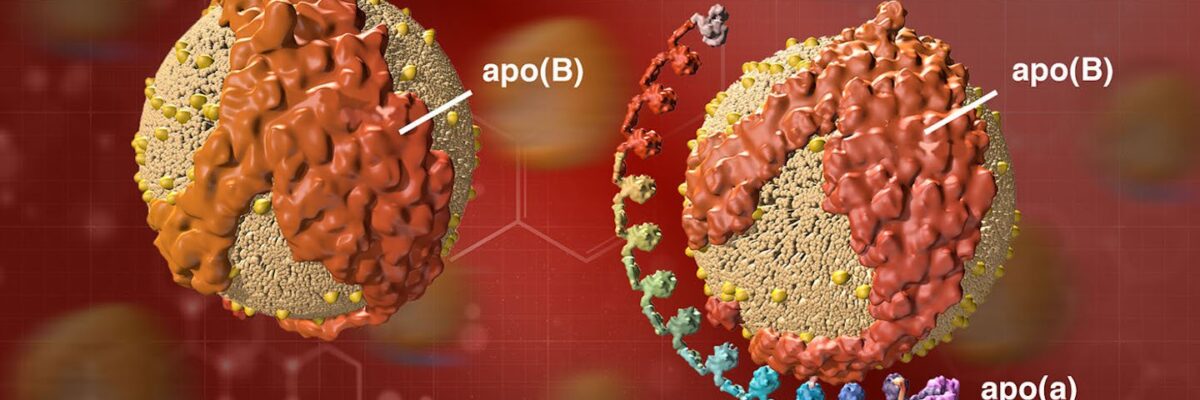
The most interesting article I read this week was this paper on the NHLBI’s recommendations to reduce Lp(a)-mediated risk of cardiovascular disease. Unfortunately, the paper is currently behind a paywall, but if you visit the link you can listen to a 30-minute summary. Here’s a good article discussing the paper. Will be exploring this topic in-depth soon. The timing was also perfect because my close friend Anahad O’Connor published this piece on Lp(a) in the NYT. (I’m going to take 1% of the credit for this, Anahad, because I remember getting you stoked on this topic circa 2012 while we were in France together on the back roads of Le Havre trying our best to avoid the French pastries.)
On the personal front, I just finished a book about addictive behavior, In The Realm of Hungry Ghosts, and it’s simultaneously upsetting and illuminating. I’ve become especially interested, personally and professionally, in the field of addiction.
– Peter