
Strength & Muscle Mass Topic Guide
Curated clips, articles, and podcast episodes
Skeletal muscle is one of the most important determinants of healthspan. It supports metabolic health, protects against injury and frailty, and enables the physical capacity required to maintain independence as we age. Declines in muscle mass and strength are strongly associated with higher risk of chronic disease, disability, and mortality. Understanding how to build and preserve muscle is therefore essential for anyone interested in extending both lifespan and healthspan.
Fundamentals
Muscle mass and strength are powerful predictors of longevity. Higher strength levels are associated with lower risk of all-cause mortality and better metabolic health, while loss of muscle contributes to frailty, falls, and loss of independence. In practical terms, muscle represents a critical form of physiologic reserve—one that allows us to tolerate illness, maintain mobility, and function well later in life.
How strength training supports longevity and quality of life
Increasing mortality risk associated with declining muscle mass and strength
The longevity benefits of consuming adequate protein and strength training to preserve muscle mass and strength
The profound impact training can have on the overall quality of life
The critical importance of working to maintain muscle mass and strength as we age
Muscle size vs. strength
How resistance training enhances metabolic health and body composition even in lean individuals
Advice for the older person and why it’s never too late to start
Peak capacity for strength as a person ages and variations in men and women
Changes in muscle and muscular function that occur with aging
Muscle loss with age and inactivity and the importance of resistance exercise to maintain type II muscle fibers
Muscle mass function, loss with aging, and the cutoff points for sarcopenia
Relative importance of muscle size vs muscle strength
Mechanisms
Muscle grows in response to mechanical stress, most commonly through resistance training. This stress activates signaling pathways that increase muscle protein synthesis, allowing muscle fibers to repair and become larger and stronger over time. Training stimulus, recovery, and adequate protein intake all influence how effectively this process occurs.
What drives muscle hypertrophy
Hypertrophy changes in muscle fibers and the underlying mechanisms that make a muscle grow
How protein intake impacts muscle mass and why pairing it with resistance training is significantly more effective
The importance of protein in stimulating muscle protein synthesis
Review of muscle fiber types
Review of the function and organization of skeletal muscle
Muscle protein synthesis and the importance of leucine
The role of protein carbohydrates and insulin on muscle growth and preservation
What’s really driving muscle growth intrinsic vs. systemic factors, IGF, and hormone signaling
Muscle protein synthesis in a trained athlete vs. untrained individual following a resistance training program
Explaining hypertrophy and what happens at the cellular level when a muscle grows
Muscle fibers modulation between fiber types with movement and changes in fibers with training and aging
Dietary protein distribution and quantity for the maximization of muscle protein synthesis
Optimizing muscle protein synthesis
The basics of how proteins are digested and absorbed and how muscle protein synthesis is measured
Training
Effective strength training relies on progressive overload—the gradual increase of training demands over time. Well-designed programs balance load, volume, frequency, and exercise selection while emphasizing proper technique and consistency. The goal is to apply enough stimulus to drive adaptation while allowing sufficient recovery to sustain progress long term.
Low-rep training compound movements and more tips for the average person
Creating an effective fitness routine that fits into a busy schedule
How important is rep speed and time under tension
Mike's low-stress high-consistency method for training beginners to resistance training
Training for strength advice for beginners and non-powerlifters
Training advice for a hypothetical client who's untrained and wants to add muscle and functional strength for longevity
An efficient and effective resistance training program for beginners with limited time
Best resources for those wanting to get started lifting weights effectively and safely
Lifting weights: the importance of challenging yourself, how to avoid injury, monitoring progress, and staying motivated
Important cues to look for while lifting weights
Maximizing hypertrophy while minimizing fatigue—is it necessary to train to muscular failure
Training for maximum strength
Measuring and tracking muscle mass and strength
Periodization training: what it is and why it is beneficial
Sustainable and effective approaches to maximizing muscle growth
The relationship between training intensity and volume
Population-Specific Strategy
The principles of resistance training are broadly consistent, but implementation varies by context. Age, training history, injury status, and specific goals all influence how training should be structured. Tailoring strategy to the individual helps maximize results while minimizing risk, particularly in populations where maintaining muscle is most critical.
How women should approach training intensity and volume across the menstrual cycle
How to preserve muscle while trying to lose weight
Adapting strength training to manage chronic back injuries and train for longevity
The impact of fasting on muscle mass and the potential tradeoffs to consider
How to preserve muscle and bone while using GLP-1 RA medications
Hypothetical Ttraining program for a 50-year-old
Ideal sets and reps for the hypothetical 50-year-old male interested in hypertrophy
Nutrition plan for the hypothetical 50-year-old woman starting a program to build lean muscle
Improving bone mineral density through resistance training
The best low-impact exercises for individuals with joint issues
Articles Related to Strength & Muscle Mass

Premium Article
Optimizing protein quantity, distribution, and quality

Free Article
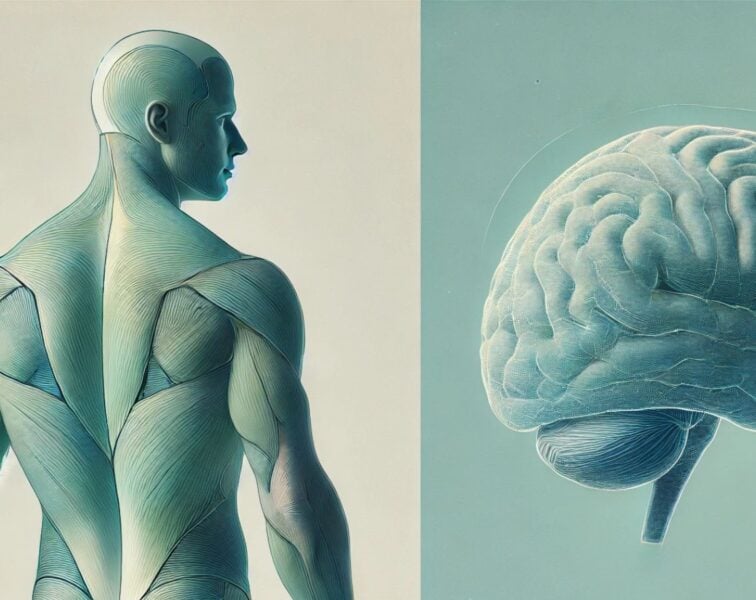
Is there a tradeoff between muscle size and aerobic capacity?
Free Article
Muscle Mass and Cognitive Function

Free Article
New insights on maximizing protein utilization for muscle protein synthesis

Free Article
Resistance training partially reverses some of the hallmarks of aging type II muscle fibers

Free Article
Research Worth Sharing, October 2024 Edition

Free Article
My recent lesson in overtraining – and in the power of seeing first-hand the impacts of positive health changes

Free Article
With exercise, results matter more than “time served”

Free Article
Does low iron intake change exercise capacity?

Free Article
You’re never too old to start exercising – just ask a 93-year-old rowing champion

Free Article
Can a new drug mimic the effects of exercise on bone and muscle?

Free Article
Avoiding Injury Part II: Grip Strength

Free Article
Avoiding Injury Part I: Eccentric Strength

Free Article
Why do we lose muscle strength with age?

Free Article
Does Exercise Affect Lifespan?

Free Article
Can you maintain muscle during fasting?

Free Article
Can you preserve lean body mass during “semi-starvation?”

Free Article
Ketones, fasting, and muscle loss
Full Podcast Episodes Related to Strength & Muscle Mass

AMA
Building strength and muscle mass: how to optimize training, nutrition, and more for longevity

AMA
The importance of muscle mass, strength, and cardiorespiratory fitness for longevity

Guest Episode
Training for longevity: A roundtable on building strength, preventing injury, meeting protein needs, guidance for women and youth athletes, and more

Guest Episode
Women’s health and performance: how training, nutrition, and hormones interact across life stages

AMA
Exercise: longevity-focused training, goal setting, improving deficiencies, managing emotional stress, and more

AMA
Preserving brain health, optimizing exercise programming, improving body composition, and more

AMA
Fasting, well-balanced diets, alcohol, exercise for busy people, wearables, emotional health, assessing cardiovascular health, and more

Guest Episode
The science of resistance training, building muscle, and anabolic steroid use in bodybuilding

Podcast Episode
Exercise for aging people: where to begin, and how to minimize risk while maximizing potential

Guest Episode
Optimizing muscle protein synthesis: the crucial impact of protein quality and quantity, and the key role of resistance training

Podcast Episode
Training for The Centenarian Decathlon: zone 2, VO2 max, stability, and strength

Guest Episode
Rethinking protein needs for performance, muscle preservation, and longevity, and the mental and physical benefits of creatine supplementation and sauna use

Guest Episode
The science of strength, muscle, and training for longevity

Guest Episode
Training principles for longevity

Guest Episode
Building muscle, losing fat, and the importance of resistance training

Guest Episode
Energy balance, nutrition, & building muscle

Guest Episode
Training principles for mass and strength, changing views on nutrition, creatine supplementation, and more

AMA
Exercise, squats, deadlifts, BFR, and TRT

Guest Episode